“The best commercial roof isn’t always the most expensive one—it’s the system that’s properly designed, professionally installed, and carefully maintained.”
Why Commercial Flat Roofing Remains the Industry Standard
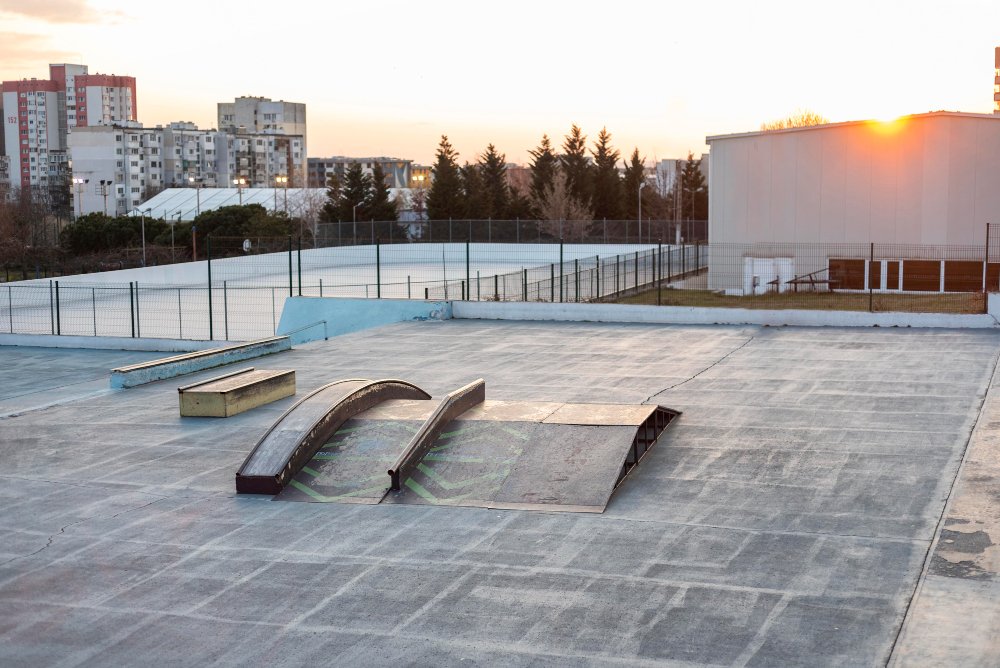
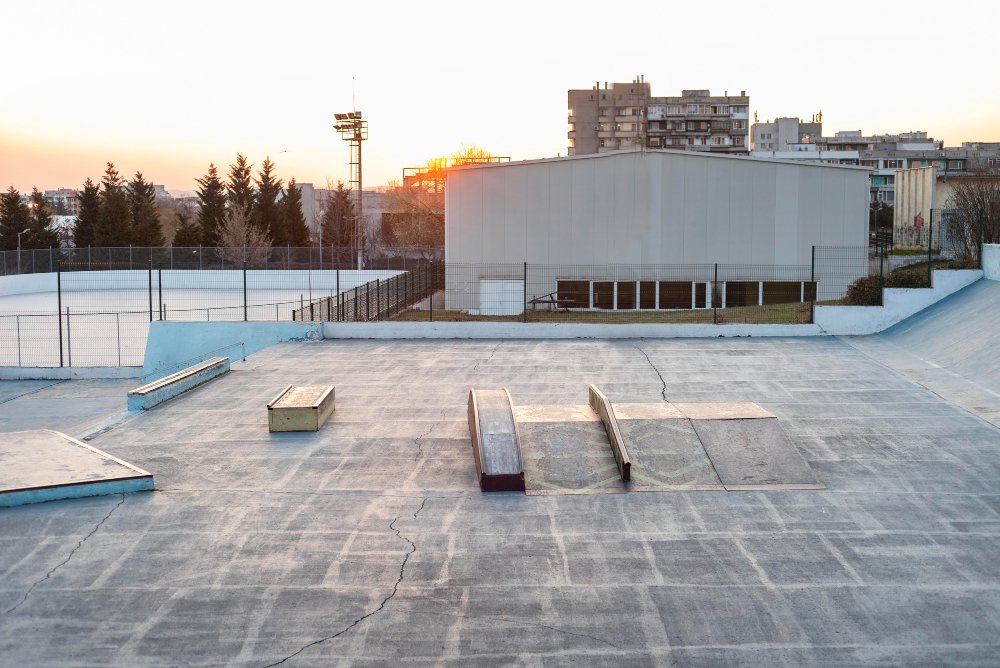
Despite the name, most commercial flat roofs aren’t completely flat. They include a slight slope that directs water toward drains or gutters, helping prevent standing water and reducing the risk of leaks. Flat roofing has become the preferred solution for many commercial buildings because it offers flexibility that pitched roofs simply can’t match. HVAC equipment, solar panels, skylights, and other mechanical systems can all be installed more efficiently on a properly designed flat roof. Some of the biggest advantages include:- Lower installation costs compared to many steep-slope commercial systems.
- Easier maintenance thanks to safer access for inspections and repairs.
- Better use of rooftop space for equipment and future upgrades.
- Compatibility with energy-efficient roofing materials that help reduce cooling costs.
- Simplified repairs when damage occurs.
Popular Commercial Flat Roofing Systems
Today’s commercial properties can choose from several proven roofing materials, each offering different advantages.- TPO roofing
- PVC roofing
- EPDM rubber roofing
- Modified bitumen
- Built-Up Roofing (BUR)
- Roof coating systems
Quick TipSchedule professional roof inspections at least twice a year—typically in the spring and fall. Catching small drainage or flashing issues early can prevent expensive repairs and unexpected business interruptions.
Choosing the Right Flat Roofing Company for Your Property
A quality roofing system depends just as much on installation as it does on the material itself. Even premium roofing products can fail prematurely if they’re installed incorrectly or if important details such as flashing, drainage, and penetrations aren’t handled properly. So how do you identify the right contractor? Instead of focusing only on price, look for experience, certifications, and a commitment to educating customers throughout the process. When evaluating a flat roofing company, consider whether they:- Perform comprehensive roof inspections before recommending solutions.
- Explain repair and replacement options clearly.
- Use manufacturer-approved installation methods.
- Understand local building codes and permitting requirements.
- Provide detailed written estimates.
- Offer preventative maintenance programs.
- Communicate openly throughout the project.
Protecting Your Investment for the Long Term
Commercial roofs are constantly exposed to sunlight, wind, rain, temperature swings, and foot traffic from maintenance crews. Over time, even well-built systems experience natural wear. The key is identifying small issues before they become major problems. Routine maintenance helps extend roof life while reducing the likelihood of emergency repairs. Property owners who invest in regular inspections often discover loose flashing, clogged drains, punctures, or deteriorating sealants before water infiltration occurs. Signs that your commercial flat roof may need professional attention include:- Standing water after rainfall.
- Visible membrane damage.
- Interior ceiling stains.
- Cracked flashing around penetrations.
- Loose seams.
- Frequent leaks during storms.
- Increasing energy costs due to insulation problems.