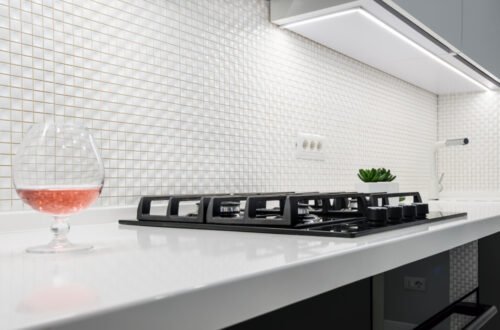
A beautiful kitchen can still feel incomplete when the wall behind the countertops is plain, unprotected, or disconnected from the rest of the design. That is why a well-planned kitchen backsplash has become one of the most important finishing details in modern kitchen remodeling.
Think about it. Your backsplash sits between your cabinets, countertops, lighting, and appliances. It protects the wall, adds texture, reflects light, and helps pull the entire kitchen together. When chosen carefully, it can make the room feel brighter, cleaner, and more custom.
“Sometimes the smallest surface in the kitchen makes the biggest design difference.”
Why a Kitchen Backsplash Matters More Than You Think
A backsplash is practical first. Cooking creates steam, splashes, grease, and everyday messes. Painted drywall behind a stove or sink can stain quickly, while tile, stone, porcelain, or slab surfaces are much easier to clean.
But function is only half the story. A backsplash also shapes the mood of the kitchen. Glossy tile can brighten a darker room. Handmade tile can add warmth and character. Large-format porcelain can create a sleek, seamless look.
The right backsplash can help improve:
Wall protection behind cooking and cleaning zones
Kitchen brightness and light reflection
Visual connection between cabinets and countertops
Texture, color, and personality
Long-term cleaning and maintenance
If your kitchen feels almost finished but not quite complete, the backsplash may be the missing detail.
Choose Materials That Match Your Lifestyle
Not every backsplash material works the same way. Some homeowners want low maintenance. Others want a bold focal point. Some prefer a quiet, timeless surface that blends into the kitchen rather than standing out.
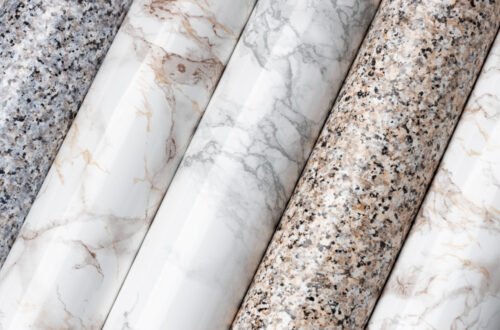
Ceramic and porcelain tile remain popular because they are durable, versatile, and available in countless styles. Natural stone creates a rich, organic look, but it may require more sealing and care. Glass tile reflects light beautifully, while full-height slab backsplashes create a luxury feel with fewer grout lines.
Popular backsplash options include:
Ceramic subway tile for classic kitchens
Porcelain tile for durability and easy cleaning
Marble or stone tile for natural elegance
Glass tile for brightness and reflection
Quartz or porcelain slabs for a seamless modern look
Quick Tip
Bring backsplash samples home before making a final decision. Tile can look completely different under showroom lighting than it does in your kitchen next to your cabinets, countertops, and natural light.
Coordinate the Backsplash With Cabinets and Countertops
A backsplash should not be chosen in isolation. It needs to work with the two design elements closest to it: cabinetry and countertops.
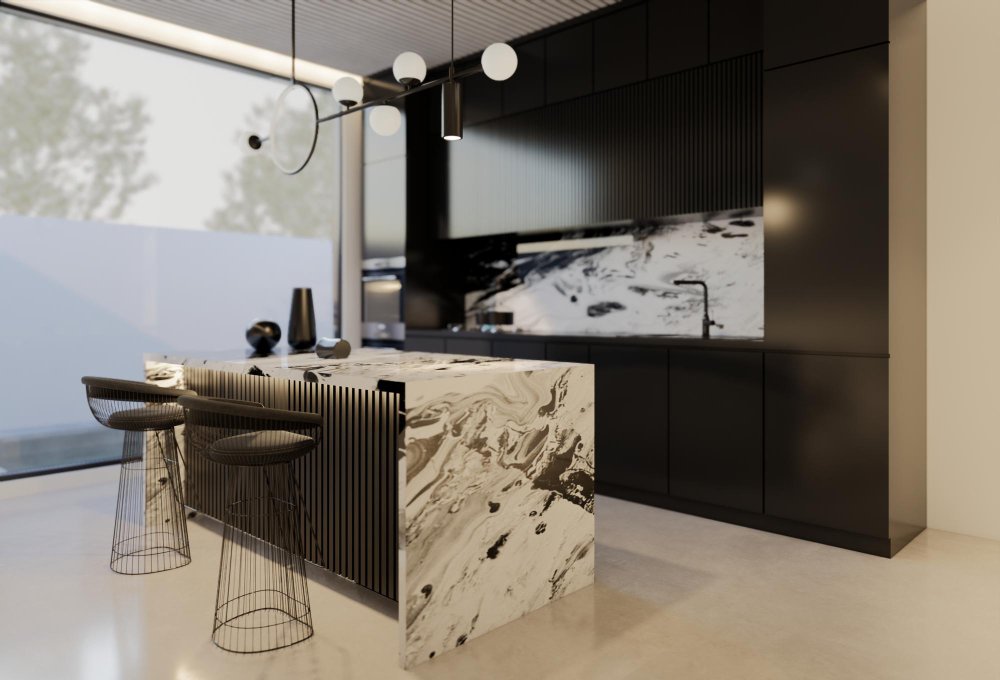
If your countertops already have dramatic veining, a quieter backsplash usually works best. If your cabinets and counters are simple, the backsplash can carry more texture, pattern, or color. Balance matters.
Homeowners updating their kitchens with DreamLine Cabinetry often benefit from selecting backsplash materials after cabinet finishes and countertop surfaces are confirmed. That order makes it easier to create a cohesive design instead of combining beautiful materials that compete with each other.
For example, warm wood cabinetry often pairs well with soft white tile, stone textures, or muted handmade finishes. Matte painted cabinets may look especially refined with vertical tile layouts, slab backsplashes, or subtle geometric patterns.
Remember: the best kitchen designs feel intentional, not accidental.
Use Layout to Create a Custom Look
Even a simple tile can feel special when the layout is thoughtful. Subway tile, for example, can look traditional in a running bond pattern, modern in a stacked layout, or more dynamic in a herringbone design.
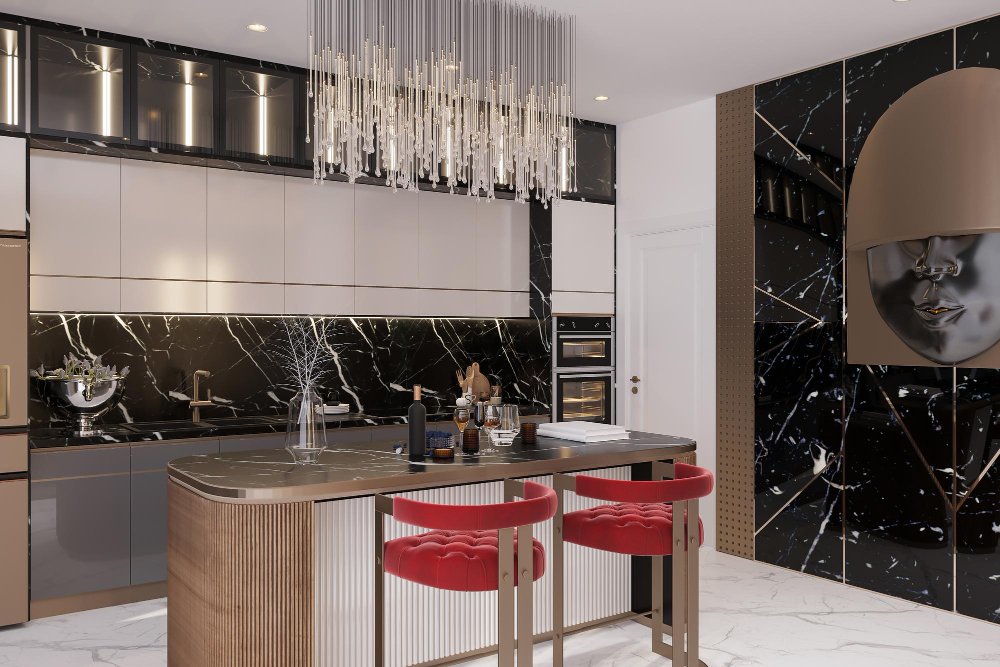
Full-height backsplash installations are also becoming more popular. Instead of stopping at the bottom of the upper cabinets, the tile or slab continues up the wall, creating a more architectural look.
Design details worth considering include:
Vertical tile layouts for height
Stacked patterns for a modern feel
Herringbone layouts for movement
Full-height backsplashes for a luxury finish
Minimal grout lines for easier cleaning
Small layout choices can make a standard material look much more custom.
Professional Installation Makes a Big Difference
Backsplash installation may look simple, but precision matters. Uneven tile lines, poorly placed cuts, mismatched grout, or messy edges can distract from the entire kitchen.
Professional installers prepare the wall, plan the layout, manage cuts around outlets, align the tile properly, and finish the edges cleanly. This is especially important with patterned tile, natural stone, large-format materials, and full-height installations.
A strong installation process usually includes:
Wall surface preparation
Dry layout planning
Accurate outlet and edge cuts
Proper adhesive selection
Clean grout application
Final sealing when required
The goal is not only to make the backsplash look good on installation day. It should remain durable, easy to clean, and visually balanced for years.
Final Thoughts
A kitchen backsplash is one of those upgrades that delivers both beauty and practicality. It protects your walls, simplifies cleaning, improves lighting, and gives the kitchen a more polished, finished appearance.
Whether you prefer classic subway tile, natural stone, bold patterns, or seamless slab surfaces, the best choice is the one that supports your lifestyle and complements the rest of your kitchen. Choose materials carefully, coordinate them with cabinetry and countertops, and invest in skilled installation. When those details come together, your backsplash becomes more than a wall covering—it becomes one of the defining design features of the room.